
Concept Space | Research & Studies
The Foundations of Concept Spaces
Concept Space is a tool to enhance communication, learning, and problem-solving by extending cognition beyond the brain. Developed since 2010, it's built on research in cognitive science, collaboration, and pedagogy.
Hypothesis
If we can design a means to naturally and efficiently map out the evolving understanding of concepts that closely matches how the brain works, then we can provide a structure:
- for teachers to help assess levels of learning by accessing a much deeper view of the current state of knowledge acquisition,
- for students to scaffold their learning on prior knowledge.
Design Requirements
Coherent with human cognition
- Represent levels of abstractions,
- Represent different types of relations between information.
Flexible, semi-structured
- Build from a partial understanding,
- Reorganize as things make more sense,
- Support divergent and convergent thinking (creativity processes).
Efficient for a large amount of knowledge
- Structures multiple thousands of concepts and relations,
- Use the strength of the visual system, but avoid overload.
Smooth usage, multimodal
- Stay in the flow,
- Good first choice for most tasks to centralize work.
Collaborative
- Support co-creation,
- Build a common vision, up-to-date.

Concept Space
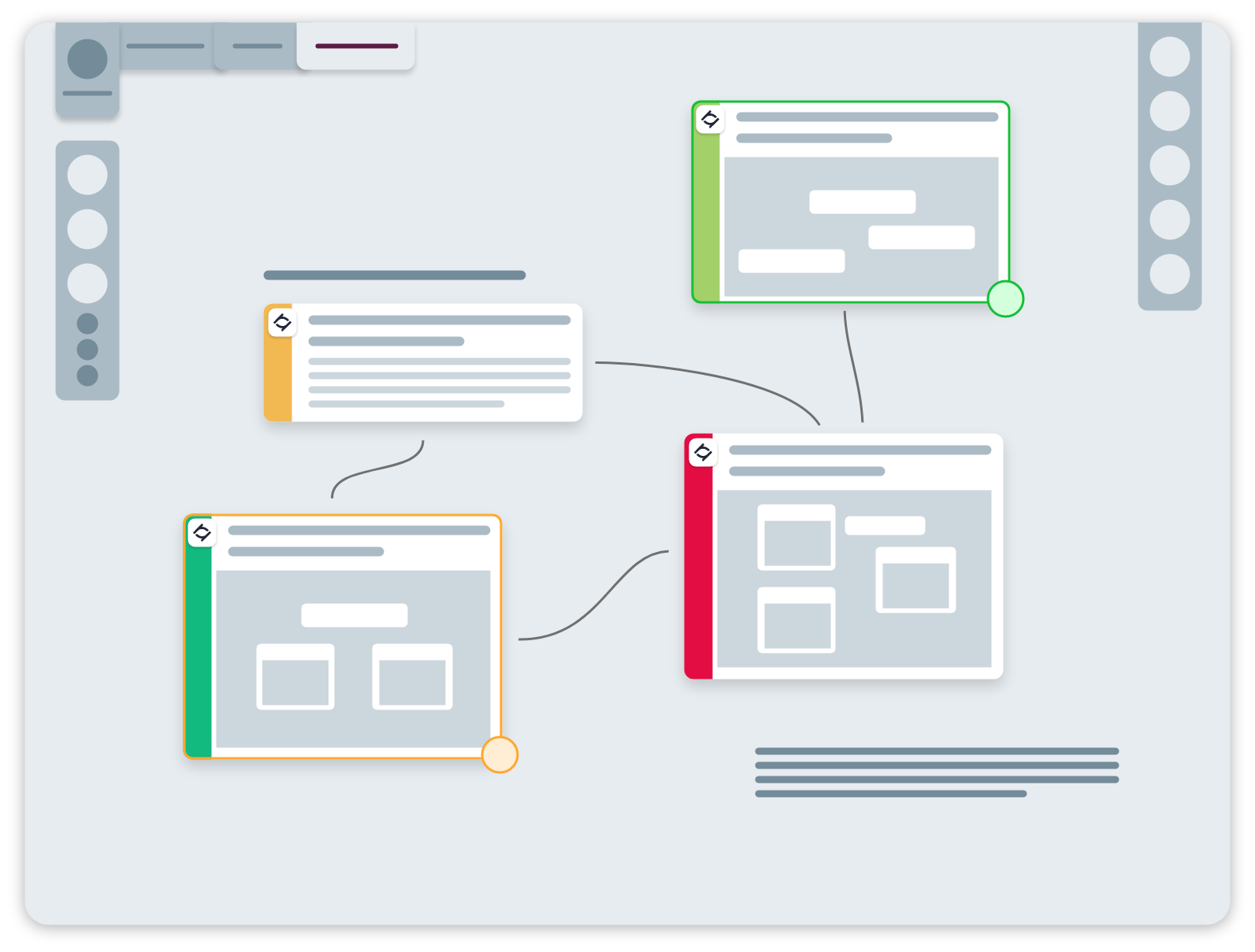
A graphical workspace aiming to represent and manipulate mental representation in a way that closely resembles mental structures as informed by cognitive science.
** It is pretty different from a concept map!
Research
Several areas of research are at the source of the design of concept space:
- Epistemology
- Cognitive Science
- Socio-constructivism
- H.M.I. (Human Machine Interface)
- Group Problem Solving
- Artificial Intelligence
- Expertise
- Vygotsky’s Activity Theory *
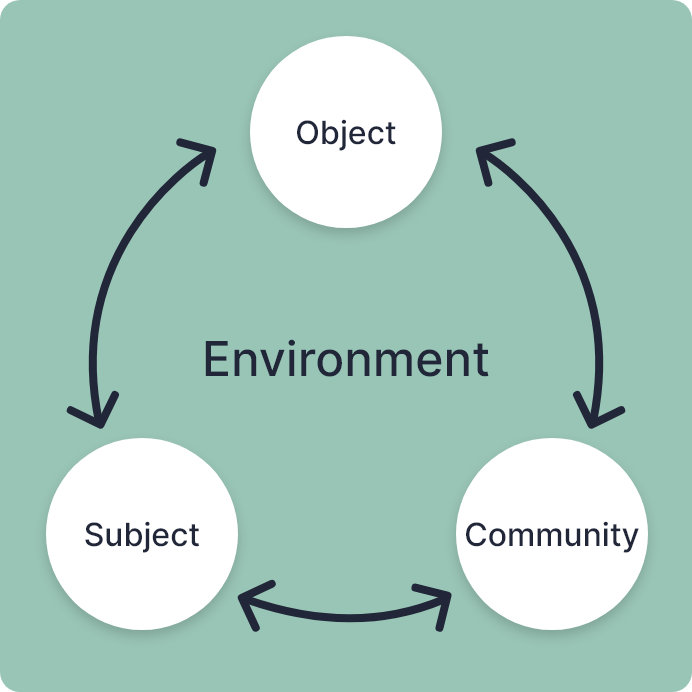
*Diagram of Vygotsky’s Activity Theory.
Articles and Publications
- Foley, David (2025, June), The Development of Concept-Space, a Digital Workspace that Mirrors How the Brain Organizes and Expands Knowledge, Reveals Positive Impacts for Learners, Teamwork and Teachers Paper presented at 2025 ASEE Annual Conference & Exposition , Montreal, Quebec, Canada.
- Foley, David (2022-11-01). Discovering Concept-Space to Improve Student Experience and Teaching in Design Projects. Proceedings of the Canadian Engineering Education Association (CEEA).
- Foley, David (2022). L'espace conceptuel : un dispositif pédagogique inédit. Agir ensemble dans l'enseignement supérieur: enjeux et perspectives - Sciencesconf.org. AIPU. Rennes (France).
- Foley, David; Charron, François; Plante, Jean-Sébastien (2018). Potential of the CogEx Software Platform to Replace Logbooks in Capstone Design Projects. Advances in Engineering Education.
Concept Space Opens New Frontiers
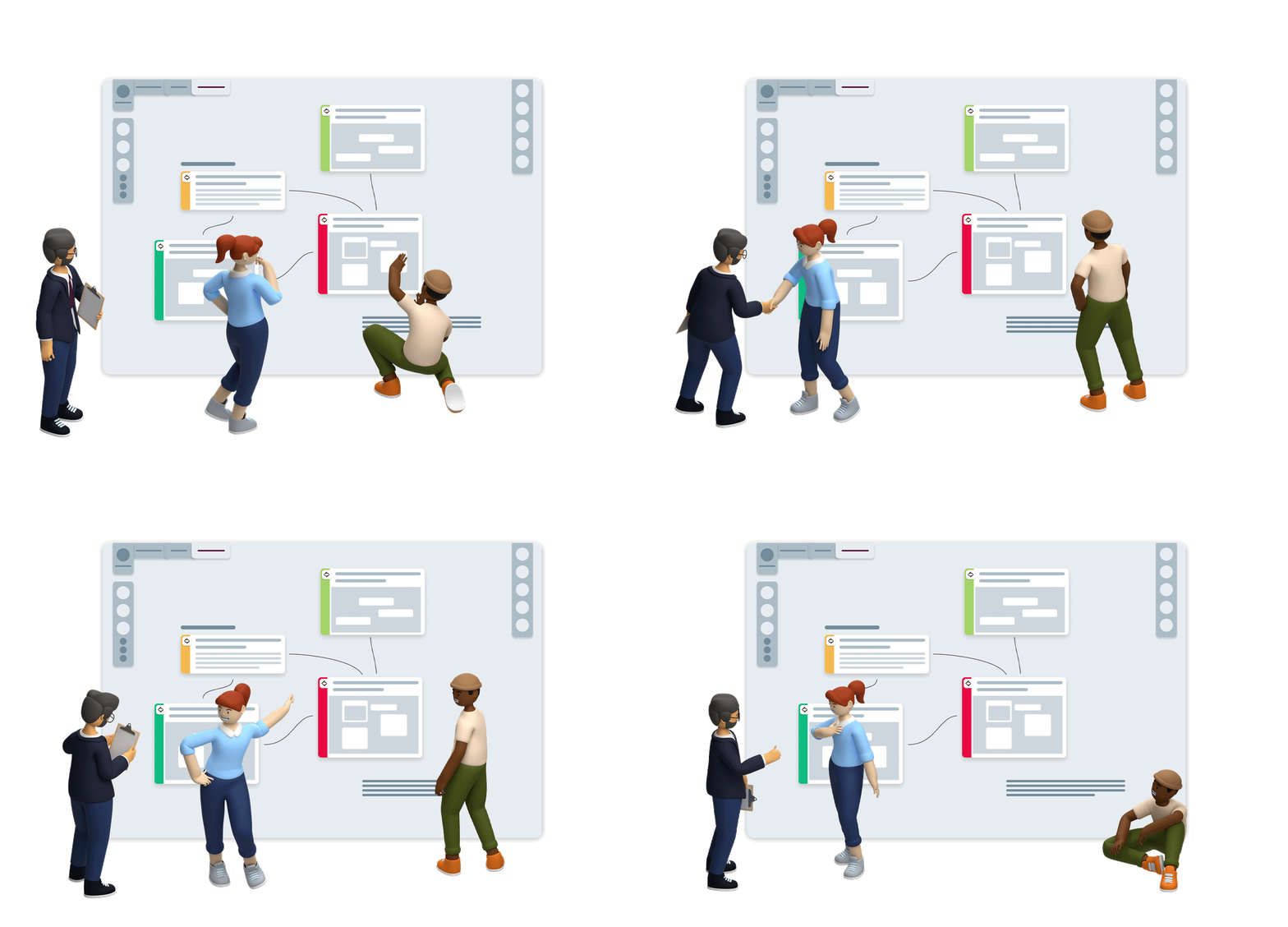
A better communication of your thoughts can help you learn, collaborate and communicate better. This is why Concept Space was created.
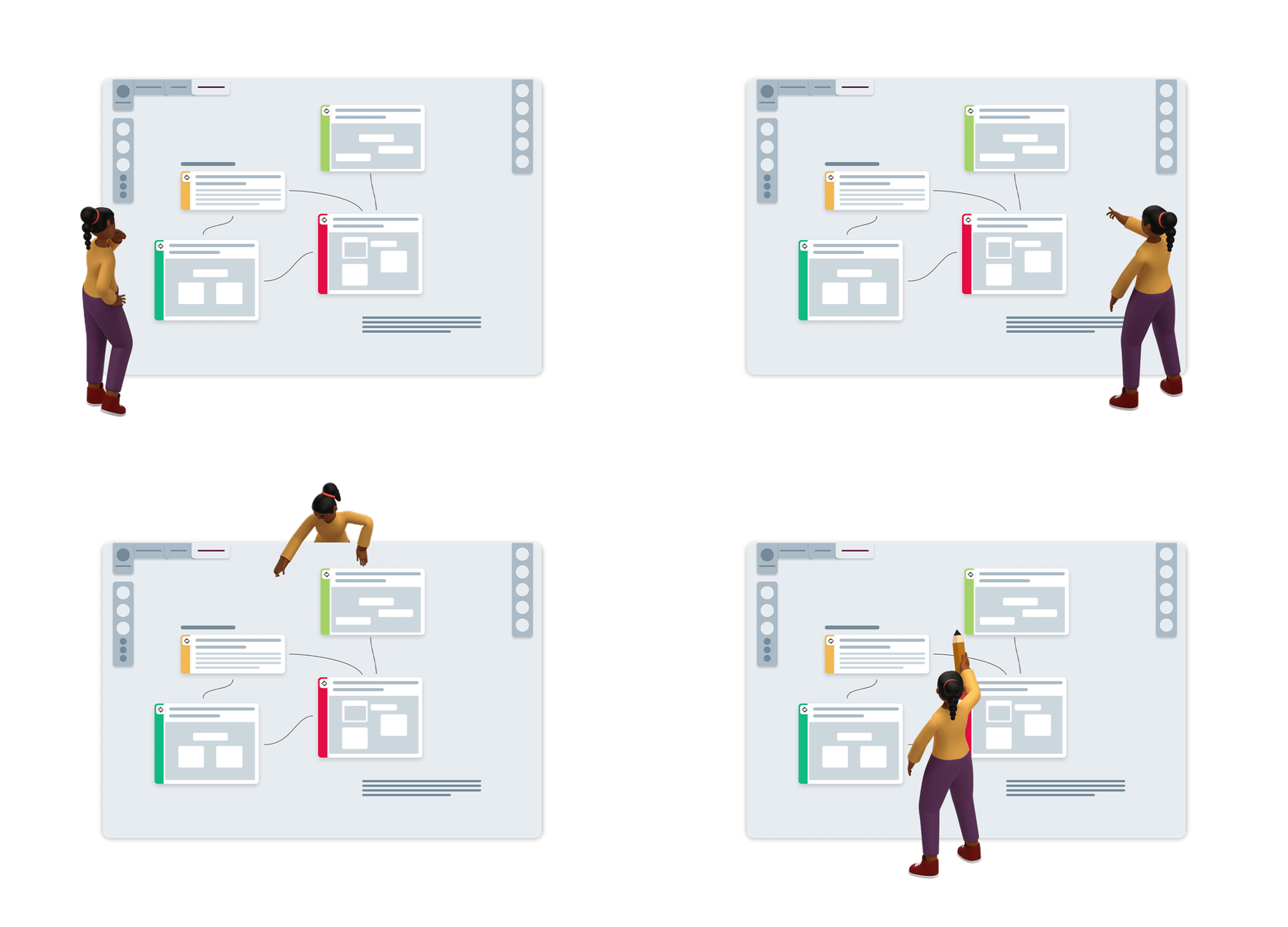
- Extend your cognition with outside representation;
- Visualize the big picture;
- Increase your knowledge by adding on to your existing knowledge.
Concept Space lets you offload your knowledge and further your understanding, solving, or creating.
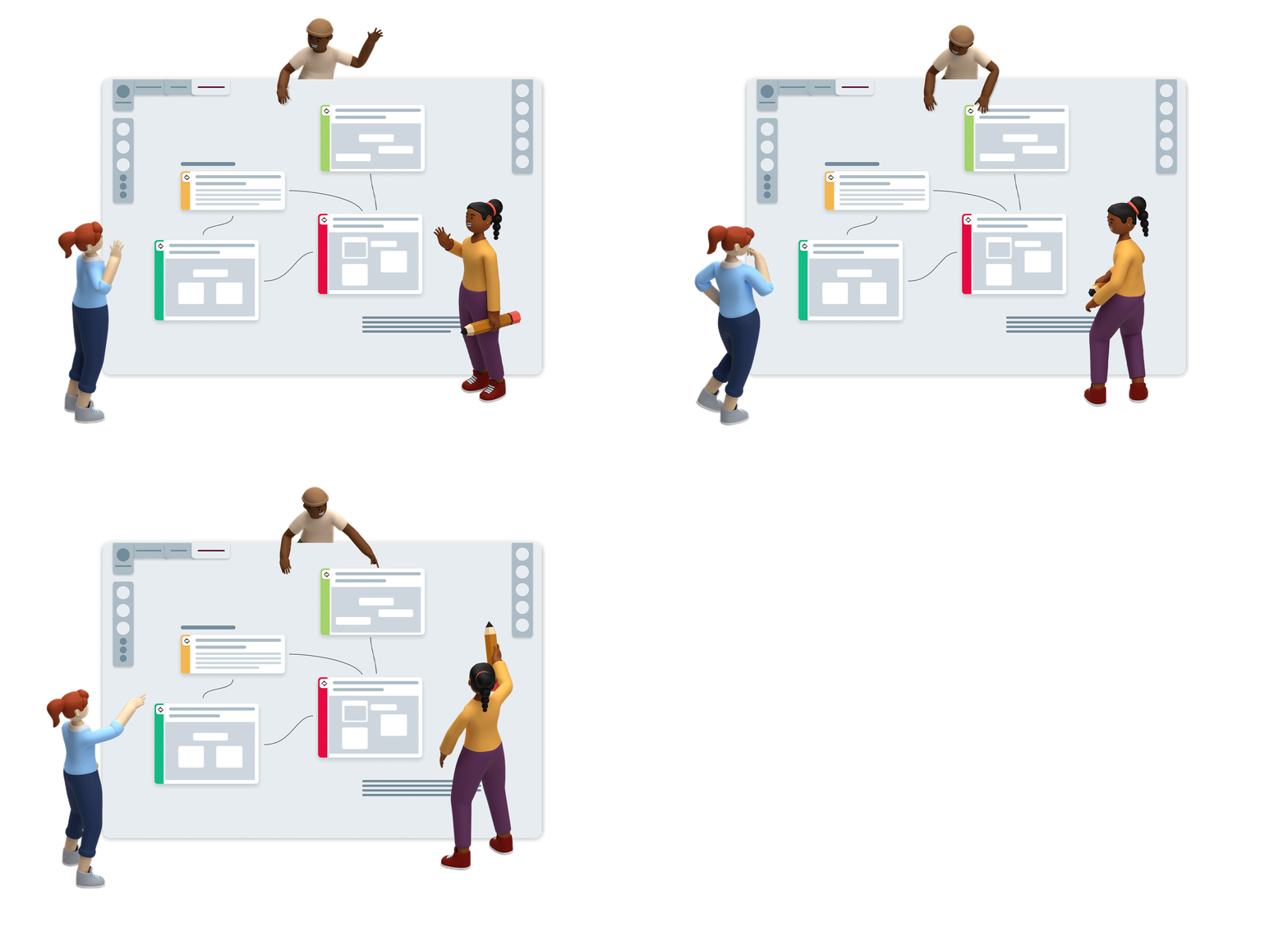
What our Users Have to Say:

Cathel Zitzmann
Teacher-Researcher
EPF Engineering School
When I discovered Relate at a conference, I said to myself: “It’s the digital tool I no longer thought I’d find.”
For me, Relate is human, visual, adaptable: everyone can use the tool according to their own way of structuring information.

Jérémy Lafrenière
Kinesiologist
Simple, Powerful, and Essential for Client Management
Relate helps me centralize and track all my client interactions in one place. Before using it, I constantly had to dig through scattered notes, wasting precious time. Now, every file is organized, clear, and instantly accessible. This drastically improves the quality of my knowledge, helps me respond faster, and increases client satisfaction. I save time, avoid mistakes, and feel much more structured.
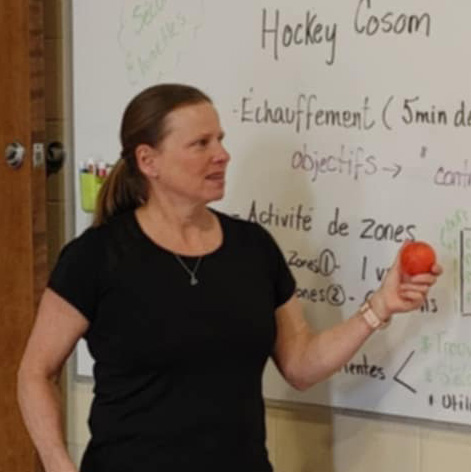
Manon Couture
Physical Education Teacher
Teacher for 30 years, Manon chose Relate to share her expertise with the next generation of teachers. As she approaches retirement, she's proud to leave a valuable legacy, helping younger teachers avoid the mistakes she herself encountered early in her career.
By sharing her experience, she helps improve the quality of teaching tomorrow.




Explore case studies
See how students and teachers have used Relate in their projects and what they think of it.
What's Next?
Our latest findings outline a high potential in improving education; we are welcoming everyone that wants to use concept-space, for improving education or for research.
Future research ideas:
- Mesure long-term benefits of learning through concept-space construction and organization, including lifelong learning.
- Study how concept-space provides an inclusive tool for both divergent and convergent learning styles, creativity.
- Provide alternative learning assessment that can't be generated by AI (Chat GPT).
- Develop detections of patterns in knowledge construction to help identify ADHD and giftedness (probably AI).
Start the journey with Relate
Click the button below to start the Relate's journey. Contact us to discuss a personalized offer or to start your first pilot project.